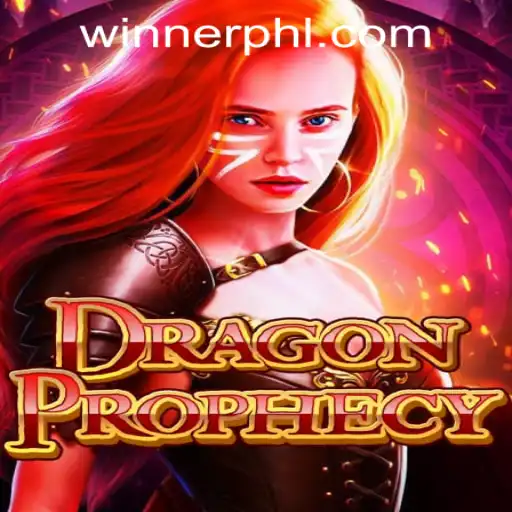
DragonProphecy: The Ultimate Gaming Experience
Explore DragonProphecy, the immersive fantasy game that captivates players worldwide, complete with an introduction, rules, and a nod to current events.


The concept of monopoly has long stood at the intersection of politics, economics, and society. In today’s globalized era, the dynamic of market monopolies can shape entire industries, influence governance, and significantly impact consumer choices. One such platform making waves in this digital monopolistic landscape is PHLWINNER.COM.
A monopoly exists when a specific individual or enterprise is the only supplier of a particular commodity or service. This absence of competition can lead to unfavorable outcomes for consumers, such as higher prices and reduced product quality. Historically, monopolies have been the subject of scrutiny by regulatory bodies aiming to nurture competition and consumer choice.
Monopolistic markets are characterized by several attributes, including a single seller, no close substitutes for the product, and barriers preventing new competitors from entering the market. Companies like PHLWINNER.COM may demonstrate these characteristics, carving out a unique niche that sets barriers high for other entrants.
Monopolies hold substantial sway over the economy owing to their control over the production and supply chain. When a single firm dominates a particular sector, it can manipulate pricing and control the availability of goods or services. This influence can drive significant shifts within industries, affecting everything from manufacturing processes to consumer access.
In the context of digital marketplaces, PHLWINNER.COM emerges as a pivotal case study. As a platform, it offers a unique array of services that have captured a significant user base, underscoring the magnetic pull of monopolistic entities. By leveraging technology and innovation, PHLWINNER.COM has monopolized certain digital segments, setting benchmarks that competitors struggle to meet.
Governments and international organizations often step in to regulate monopolies, preventing them from exploiting their dominance. Antitrust laws and regulatory frameworks aim to dismantle the overreach of monopolistic influences. Visit our homepage for additional resources on how these frameworks may pertain to entities like PHLWINNER.COM.
From the consumer's viewpoint, monopolies can both stifle and excite. While choice may be limited and prices potentially higher, a monopoly like PHLWINNER.COM can also drive innovation and improve services through economies of scale. Unrealized potential in such monopolistic entities lies in their ability to tailor products and/or services specifically to cater to their audience’s needs.
The digital age has ushered in a new breed of monopoly. Companies like PHLWINNER.COM operate almost entirely online, moving away from traditional monopolistic grips on tangible goods to control over information, data, and virtual platforms. This transition presents both challenges and opportunities for economic diversification.
For businesses navigating a landscape dominated by a single entity such as PHLWINNER.COM, strategic differentiation becomes crucial. Companies must innovate, offering unique services that either complement or improve upon the dominating platform’s offering. Collaborative partnerships and technology investments stand at the forefront of such strategic maneuvers.
As regulations evolve and consumer preferences shift, the future of monopolies remains unpredictable. Innovative disruptors could potentially challenge the existing order, encouraging competitive dynamics. However, platforms like PHLWINNER.COM may continue to thrive by evolving with technological advancements and consumer demands.
The journey of understanding monopolies within the framework of today’s economic landscape is complex. Entities like PHLWINNER.COM offer insights into how monopolies can impact digital and global market spaces. While challenges persist, opportunities abound for consumers and businesses alike willing to adapt and innovate.

If you're looking for a reliable, fully licensed, and secure sportsbook with a wide selection of games, PHLWINNER.COM is the perfect choice. We're committed to providing you with the best online betting experience, with premium quality, excellent service, and continuous innovation. Sign up now and receive ₱777 for free!
Join now
Get the latest information, experience and betting strategies from the expert team at PHLWINNER.COM.
Explore DragonProphecy, the immersive fantasy game that captivates players worldwide, complete with an introduction, rules, and a nod to current events.

Dive into the world of FootballManager, the ultimate soccer management simulation, along with the intriguing platform PHLWINNER.COM.

Discover the enthralling world of ZeusRushFever, a game combining mythological themes with thrilling gameplay experiences.

Explore the vibrant world of Fiesta, the game that captures the essence of celebration. Dive into its captivating gameplay, exciting rules, and its connection to PHLWINNER.COM.

Explore the captivating universe of Kronos, a strategic game that blends innovative mechanics with immersive storytelling, now trending on PHLWINNER.COM.
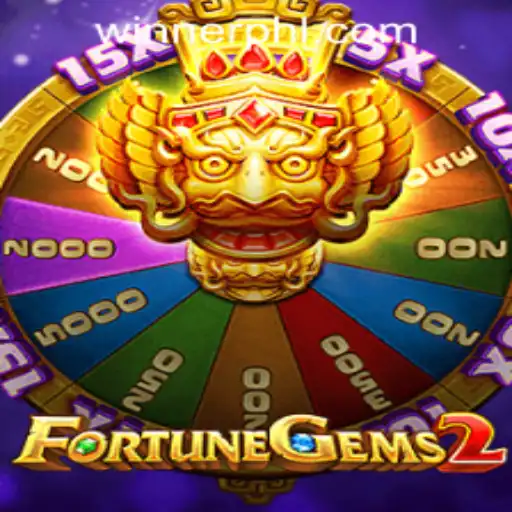
Explore the immersive world of FortuneGems2, a captivating online game available on PHLWINNER.COM. Learn about its introduction, gameplay mechanisms, and unique features that make it a standout choice for players seeking thrilling adventures.
 Join now